
RF Regional Risks in focus: Environmental Factors among top 7 risks facing footprint
 By Steven Hanson, Energy Technical Writer, External Affairs
Environmental Factors continue to pose a reliability risk in the ReliabilityFirst (RF) footprint, identified as one of seven risk categories in RF’s 2026 Regional Risk Assessment (RRA). Environmental factors received a high risk score, as extreme weather events have resulted in significant damage to transmission infrastructure in recent years.
We’ll be examining each these risks in further depth here across upcoming issues of the First Things RFirst newsletter. To read more about environmental factors and other top regional risks in RF’s 2026 RRA, check out the full report.
The RRA defines environmental factors as naturally occurring phenomena, such as extreme weather and vegetation-related issues, that impact resource and transmission availability. Severe storms, characterized by strong winds and heavy precipitation, may lead to downed trees that damage power lines and other electric infrastructure, ultimately causing power loss.
Figure 1 shows that extreme weather events in the RF region are becoming more frequent, with weather events causing $1 billion or more in damage increasing from one event in 2020 to five events in 2025. If this trend continues, greater resources will be required for emergency preparedness and maintaining BPS reliability.
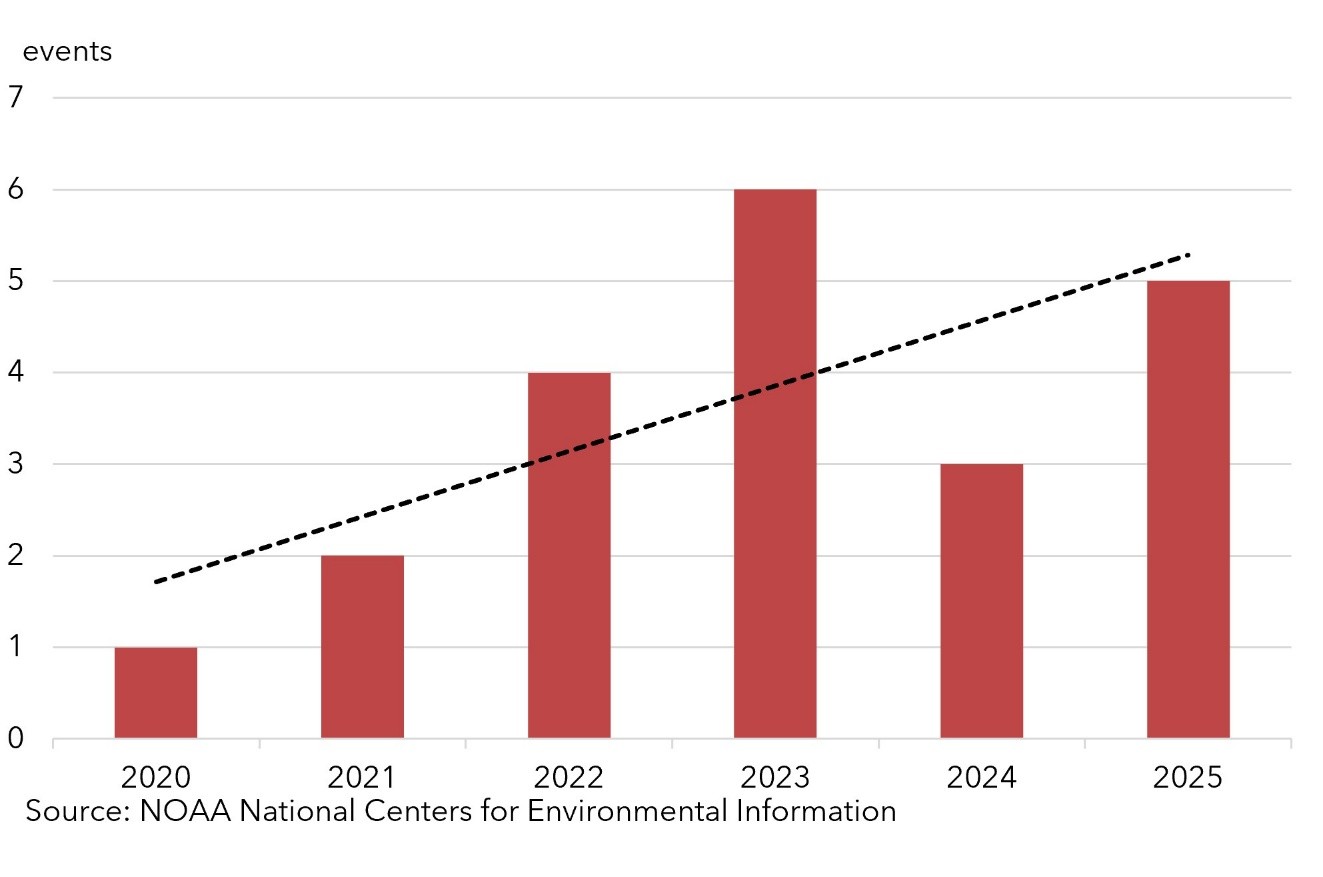
Figure 1. Billion-dollar weather and climate disasters in RF footprint (2020-2025)
In 2025, Winter Storm Fern tested the region’s grid resiliency and highlighted its reliance on natural gas during peak demand periods. This winter storm demonstrated how industry efforts to enhance winterization, operator preparedness, and coordination between the gas and electricity sectors can strengthen BPS performance during extreme weather events. Winter Storm Fern reaffirmed the critical role of dispatchable generation during winter peaks and the importance of effective interregional transfer capability.
North American Electric Reliability Corporation (NERC) Reliability Standards that address BPS reliability risks from environmental factors include EOP-011-4 (Emergency Operations) and EOP-012-3 (Extreme Cold Weather Preparedness and Operations). Additional NERC standards that address environmental factors include TPL-008-1 (Transmission System Planning Performance Requirements for Extreme Temperature Events), TOP-002-5 (Operations Planning), and FAC-003-5 (Transmission Vegetation Management). RF’s compliance monitoring and enforcement program has regulatory oversight of these standards in the RF region.
As part of its mission to ensure a reliable and secure electric system, RF provides outreach and education activities such as its monthly Tech Talk with expert analysis and insight into regional risks and associated topics. RF staff internally monitor and discuss environmental trends such as extreme weather and vegetation management in the RF Generator Subcommittee and RF Transmission Performance Subcommittee. Other measures to address this risk include the RF Cold Weather Winterization (CWW) outreach program and the RF Vegetation Community of Practice.
Inputs to RF’s RRA include compliance monitoring and enforcement program data, regional xADS data, event data, as well as analysis from NERC’s State of Reliability Report.